
Preparation matters even more if you are considering paint correction, ceramic protection, or a PPF/wrap consultation.
Why preparation matters before a detail
You do not need to detail the car before bringing it to The Auto Edit. That is the point of booking the service. But a little preparation helps the appointment move smoother, protects your belongings, and gives the team better access to the areas you want cleaned.
Good preparation also helps the inspection process. If stains, odors, pet hair, salt, scratches, or sensitive areas are disclosed early, the shop can recommend the right service instead of discovering problems after the vehicle is already inside.
You do not need to clean the car first
Customers sometimes think they should vacuum, wipe, or wash the car before a detail. You do not need to. A professional detail is designed to handle dirt, dust, buildup, and normal mess. What helps most is removing personal items and being honest about the vehicle’s condition.
If the vehicle is extremely full of belongings, the detailer may not be able to access carpets, seats, storage areas, trunk panels, cupholders, or under-seat areas. Removing items matters more than pre-cleaning.
Remove personal items
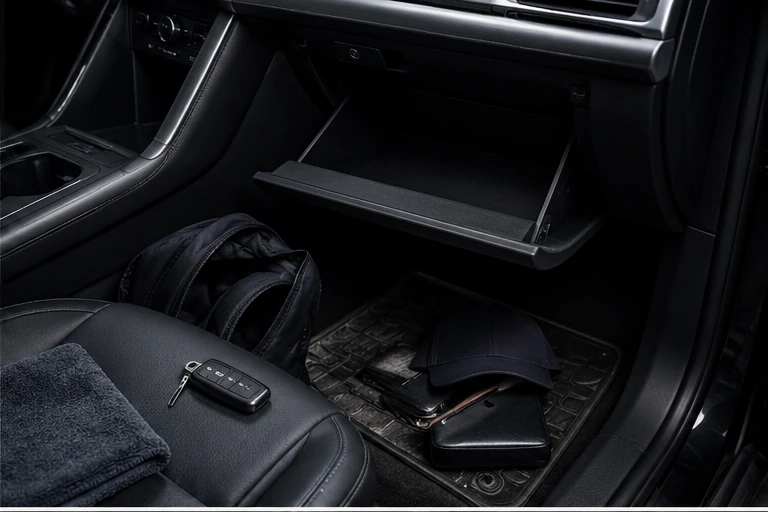
Before drop-off, remove personal belongings from seats, door pockets, cupholders, centre console, glove box, trunk, cargo area, under-seat storage, and seat-back pockets if you want those areas cleaned.
Items left in the vehicle may need to be bagged, moved, or left untouched depending on the situation. The cleaner the access, the more complete and efficient the detail can be.
Remove valuables and sensitive items
Remove cash, IDs, documents, medication, electronics, garage remotes, keys, work equipment, personal paperwork, jewelry, and anything private or fragile. Restricted, dangerous, or sensitive items should always be removed before drop-off.
This protects both sides. The Auto Edit can focus on the vehicle, and you do not have to worry about personal items being misplaced, moved, or handled during the detail.
Trunk, cargo area and child seats
If you want the trunk or cargo area cleaned, empty it before the appointment. Trunk organizers, sports gear, tools, stroller parts, shopping bags, and emergency kits can block access to carpet and side panels.
If you want the area under a child seat or booster seat cleaned, remove the seat before arrival. The shop should not promise to reinstall child seats because safe installation is the owner’s responsibility.
Take before photos if you are concerned about existing damage
If you are concerned about existing scratches, dents, stains, cracked trim, loose parts, or damaged leather, take your own before photos before drop-off. A good check-in process should also look for obvious pre-existing damage.
Photos help avoid confusion later, especially when a vehicle already has worn plastics, cracked screens, torn upholstery, weak trim, peeling clear coat, or older paint damage.
Tell the shop about problem areas
Tell the shop about stains, spills, pet hair, salt, smoke, cannabis smell, food odor, mildew, vomit, mold concerns, water leaks, or anything unusual. These issues can change the service recommendation, time required, and final price.
A normal detail and a restoration-level job are not the same. Heavy pet hair, salt staining, smoke odor, and deep fabric contamination may require add-ons, inspection, or a custom quote.
Tell the shop about sensitive or damaged areas
Before work begins, mention loose trim, broken buttons, cracked screens, weak battery, aftermarket wiring, dash cams, alarms, water leaks, sunroof leaks, fragile parts, warning lights, or anything that should be handled carefully.
This is especially important on older vehicles, modified vehicles, luxury interiors, and cars with aftermarket electronics. A detailer can work more safely when they know what to avoid or treat gently.
Wheel lock key, fuel and battery
If the appointment involves wheels, tires, brakes-area cleaning, or anything where wheel access matters, bring the wheel lock key if applicable. If the vehicle may need to be moved, make sure it has enough fuel or battery charge.
For electric vehicles, leave enough charge for safe movement, climate control if needed, and pickup. For vehicles with weak batteries, let the shop know ahead of time.
What not to do before your appointment
Do not spray greasy dressings everywhere right before the detail. Do not apply wax, silicone, tire shine, interior shine, or unknown DIY products immediately before service. These products can interfere with cleaning, polishing, coating, film, tint, or accurate inspection.
Do not hide stains, damage, or odors. Do not assume every stain, smell, scratch, or defect can be fully removed. The best results come from clear communication before the job starts.
Special prep for interior details
For interior work, remove belongings from storage areas and identify the areas that bother you most. If there are spills, sticky residue, food stains, pet accidents, or odor sources, point them out. If something is fragile or already broken, mention it.
For shampoo extraction, fabric work, or odor treatment, the vehicle may need more time to dry or air out. Some stains, dye transfer, burns, permanent discoloration, and odor sources cannot be guaranteed removable.
Special prep for exterior details
For exterior work, you do not need to wash the car before arrival. It is more useful to mention tar, sap, concrete dust, overspray, heavy brake dust, water spots, bird dropping marks, scratches, scuffs, or areas you want inspected.
If the vehicle has decals, old PPF, wrap edges, loose badges, rust, peeling clear coat, or repainted panels, mention that before washing, decontamination, or polishing begins.
Special prep for ceramic coating or paint correction
Before paint correction or ceramic coating, avoid applying wax, glaze, spray sealant, silicone dressing, or filler products. These can mask the true paint condition and may interfere with polishing or coating prep.
For correction and coating, disclose previous paintwork, repainted panels, thin paint concerns, old ceramic coatings, touch-up paint, or bodywork. The shop needs to inspect the paint properly before recommending a correction level or coating package.
Special prep for PPF, wrap or tint consultation
For PPF, wrap, or tint consultation, disclose repainted panels, fresh paint, old film, peeling clear, ceramic coatings, bodywork, rust, damaged trim, or existing scratches. Film and tint work depends heavily on surface condition and installation risk.
Fresh paint may need time before film installation. Old film removal, failing clear coat, or poor bodywork can increase risk. A proper consultation should identify those concerns before the job is accepted.
What happens at check-in
At check-in, the vehicle should be reviewed for package fit, condition, add-ons, sensitive areas, existing damage, stains, pet hair, salt, odor, and customer priorities. This is where expectations should be aligned before work begins.
The goal is not to upsell randomly. The goal is to match the service to the vehicle’s real condition so the result is fair, safe, and realistic.
Why condition-based pricing and add-ons may be discussed
Some vehicles need more than the base package. Heavy salt, pet hair, deep stains, smoke odor, mold concerns, severe grime, rough paint, tar, sap, and paint defects can require extra time or specialized products.
Condition-based pricing protects the customer and the shop. The customer knows why the recommendation changed, and the shop does not have to rush a job that needs a different level of work.
Final pre-detail checklist
- Remove personal items, valuables, documents, medication, and electronics.
- Empty the trunk if you want it cleaned.
- Remove child seats if you want the area underneath cleaned.
- Bring the wheel lock key if wheel access may be needed.
- Make sure the vehicle has enough fuel or battery charge.
- Point out stains, odors, pet hair, salt, leaks, and sensitive areas.
- Do not apply wax, silicone, greasy dressing, or interior shine before service.
- Take before photos if you are concerned about existing damage.
- Expect final recommendations to depend on inspection and condition.