
For a deeper paint-care plan, pair this safe wash process with swirl prevention habits, ceramic coating maintenance, and winter-specific salt stain prevention.
Why safe washing matters
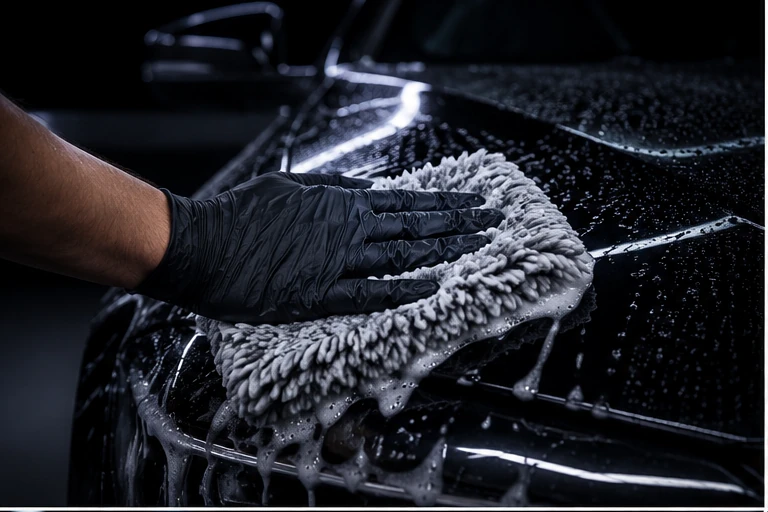
Most visible wash damage comes from dirt being dragged across paint. A vehicle can look strong and glossy from a distance while still having soft clear coat that marks easily under bad washing habits. The goal of safe washing is to reduce friction before your wash mitt or towel ever touches the surface.
Safe washing does not guarantee scratch-free paint. Road film, winter salt, gritty lower panels, dirty towels, and rushed drying can all create marks. What a careful process does is reduce risk by using more lubrication, cleaner media, and a cleaner order of work.
The biggest cause of swirl marks
Swirls are often created when dust, grit, or road film is moved across the paint during washing or drying. Circular hand motions make the damage look more obvious, but the real issue is usually contamination trapped between the towel, mitt, or brush and the paint.
The safer mindset is simple: loosen first, lubricate second, touch gently, rinse or change towels often, and dry with clean plush towels instead of pressure.
What you need before washing
A basic safe-wash setup should include a pH-balanced automotive shampoo, a clean wash mitt or high-quality wash pad, multiple microfiber towels, a dedicated wheel bucket or wheel tools, drying towels, and access to clean water. For rinseless washing, use a dedicated rinseless wash product and enough towels to avoid reusing a dirty face on paint.
Keep wheel tools, lower-panel towels, jamb towels, and paint towels separate. The dirtiest areas of the vehicle should never share the same towel or mitt used on the hood, roof, doors, or glossy black trim.
Method 1: Two-bucket wash
The two-bucket method uses one bucket for soapy wash solution and one bucket for rinsing the mitt. The idea is to release dirt from the mitt before loading it with fresh soap again. A grit guard can help keep heavier contamination lower in the bucket, but it does not replace clean technique.
Best process
Pre-rinse the vehicle thoroughly, then start with the cleanest upper panels. Wash small sections with straight-line motions and light pressure. Rinse the mitt often before returning to the soap bucket. Leave lower doors, rocker panels, rear bumpers, and heavily contaminated sections for last.
Best for
This is a solid method for normal maintenance washing when the vehicle has access to a hose and is not heavily caked in mud, salt, or gritty winter buildup.
Method 2: Foam pre-wash plus contact wash
A foam pre-wash can help soften and loosen surface grime before contact washing. Foam is not magic, and it does not remove all dirt by itself, but it can reduce how much loose contamination remains on the paint when the mitt touches it.
After the foam dwells, rinse thoroughly from top to bottom. Then continue with a normal contact wash using clean mitts, proper soap, and frequent rinsing. This method is especially useful for darker vehicles, softer paint, or cars that see regular road film.
Method 3: Rinseless wash
Rinseless washing can be safe when done properly. The process uses a concentrated wash solution designed to encapsulate dirt and provide lubrication without a traditional hose rinse. The biggest mistake is trying to stretch one towel or sponge across too much dirty paint.
Use multiple towels or a dedicated rinseless sponge, work panel by panel, and change to a clean towel face often. If the vehicle is covered in heavy mud, salt crust, or gritty winter film, pre-rinse first or avoid rinseless washing until the heavy contamination is removed.
Method 4: Touchless wash
Touchless washes can be useful during winter or when you need to remove salt without touching the paint. They are better than letting salt sit for weeks, but they usually do not remove bonded grime as thoroughly as a careful hand wash.
The limitation is chemistry and pressure. If the wash is too mild, film remains. If the chemistry is too aggressive and used repeatedly, it may reduce wax, sealant, or topper durability. Touchless washing is a helpful maintenance tool, not a full replacement for proper washing.
Method 5: Waterless wash, with strong caution
Waterless wash should only be used on very light dust or fingerprints. It is not a safe choice for dirty winter road film, mud, gritty lower panels, or vehicles that have not been washed recently.
If you use a waterless product, use heavy lubrication, many clean microfiber towels, and extremely light pressure. Fold towels into clean sides and stop as soon as you see grit, drag, or visible dirt loading into the towel.
Winter salt washing tips
GTA winter driving creates a different kind of risk. Salt, sand, and slush collect around lower doors, wheel wells, rocker panels, mats, and trunk edges. Rinse these areas carefully before contact washing. Avoid dragging salt-contaminated towels onto cleaner upper paint.
In cold weather, even a touchless rinse is better than letting salt sit for long periods. Focus on underbody rinsing where available, wheel wells, lower panels, and door jamb edges. If the vehicle is too cold or covered in heavy salt, a professional wash or detail may be safer than a rushed driveway wash.
Safe drying methods
Drying can scratch paint just as easily as washing. Use clean, plush drying towels or filtered air where available. Lay the towel gently and blot or glide with minimal pressure. Do not use old bath towels, dirty chamois, or towels that have touched wheels, exhaust tips, or lower jambs.
A drying aid or spray protection product can add lubrication during drying, but it does not make a dirty towel safe. The towel still needs to be clean, soft, and dedicated to paint.
Common mistakes that create scratches
- Using one towel for the whole vehicle.
- Using wheel brushes or lower-panel towels on paint.
- Scrubbing in circles with pressure.
- Washing a heavily dirty vehicle without pre-rinsing.
- Letting soap dry on the surface in direct sun.
- Dragging a drying towel across gritty paint.
- Using automatic brush washes on paint you care about.
When not to wash the car yourself
Do not force a DIY wash if the vehicle has heavy salt buildup, mud, tar, sap, embedded brake dust, rough-feeling paint, heavy pet hair, strong odour, or neglected interior staining. These conditions need more than a normal maintenance wash and may require decontamination, extraction, steam, or paint-safe correction methods.
If the goal is to protect gloss, prepare for ceramic protection, clean up winter damage, or avoid adding more wash marks to dark paint, booking a professional detail is often the safer choice.
Final safe-wash checklist
- Pre-rinse or pre-soak before contact whenever possible.
- Wash top to bottom and clean to dirty.
- Use separate tools for wheels and paint.
- Use straight-line motions and light pressure.
- Change towel faces often.
- Dry with clean plush towels or air.
- Stop if the paint feels gritty or contaminated.